A Proposal That Could Change the Way Americans Shop
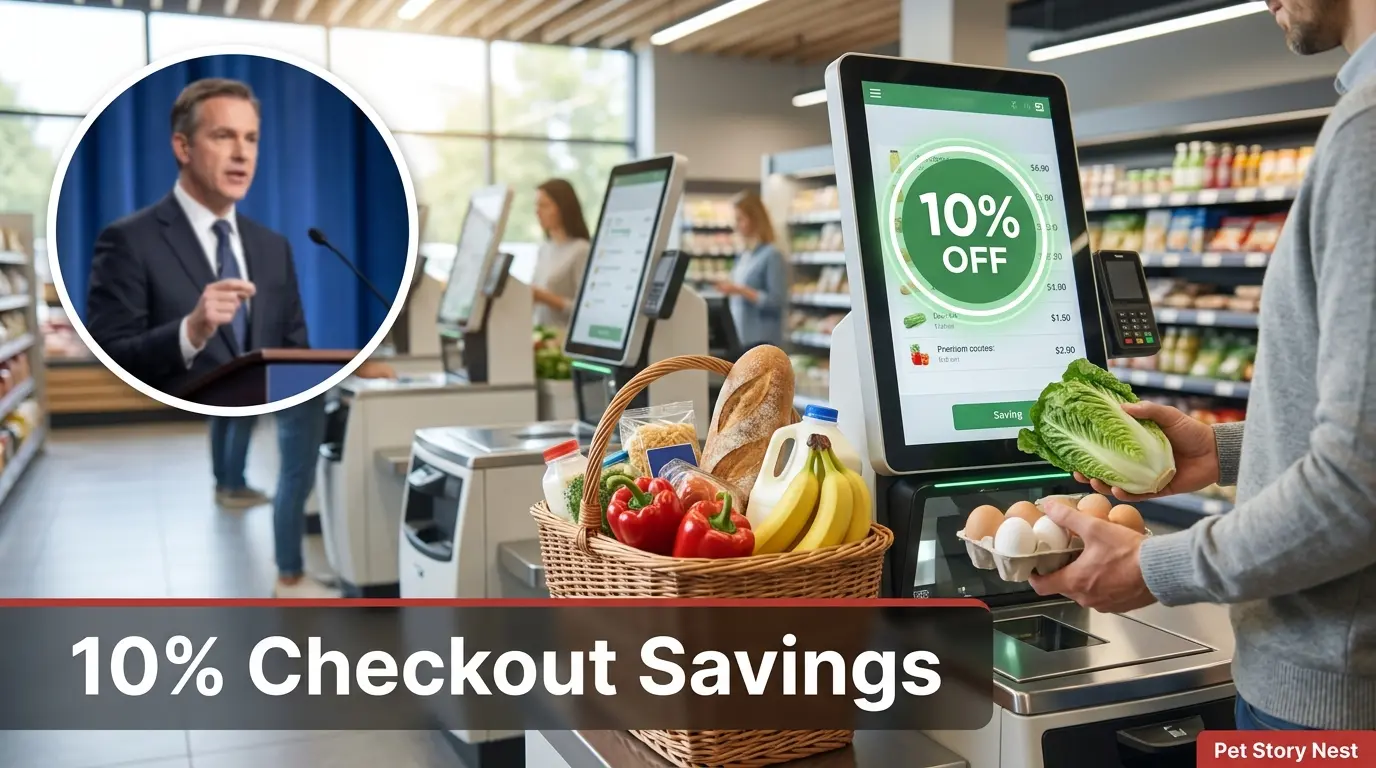
A proposed New York bill is drawing nationwide attention by suggesting a simple but potentially significant change for grocery shoppers: a 10% discount on purchases made through self-checkout lanes. Supporters argue that customers who scan, bag, and complete their own transactions are effectively performing work that was once handled by store employees and should receive a financial benefit in return.
Although the proposal has not become law, it has already sparked widespread discussion among consumers, retailers, economists, and labor advocates. For many shoppers dealing with rising grocery prices, the idea of receiving a discount simply for using self-checkout sounds appealing. Others, however, question how the measure would work in practice and whether retailers could absorb the additional costs.
Why the Bill Was Introduced
Self-checkout machines have become increasingly common in supermarkets, department stores, and large retail chains across the United States. Originally introduced to speed up checkout lines and improve convenience, they have gradually become a standard feature in many stores.
Supporters of the proposed legislation argue that self-checkout shifts responsibilities from store employees to customers. Instead of having a cashier scan items, bag groceries, and process payments, shoppers now perform these tasks themselves.
The proposed 10% discount is intended to recognize that extra effort while giving consumers a financial incentive to choose self-checkout.
How the Proposed Discount Would Work
If approved, the proposal would require participating retailers to provide a 10% discount on purchases completed through self-checkout lanes.
The idea is straightforward. Customers who scan and bag their own groceries would automatically receive a reduction in their total bill before payment is completed.
Supporters believe the discount reflects the value of the work customers perform during the shopping experience while encouraging more people to use automated checkout systems.
Since the proposal is still under consideration, many implementation details have yet to be finalized.
Why Many Consumers Support the Proposal
The bill has generated positive reactions from shoppers who see it as a practical way to reduce everyday expenses.
With grocery prices remaining a concern for many households, even modest savings can make a noticeable difference over time. A family spending $200 on groceries each week, for example, could save approximately $20 if the proposed discount applied to every eligible purchase.
Supporters also argue that customers deserve recognition for handling tasks that previously required paid employees.
Many consumers say they have become comfortable using self-checkout technology and appreciate the faster shopping experience.
Retailers Face Important Questions
While customers may welcome lower grocery bills, retailers could face several operational challenges if the legislation moves forward.
Stores would need to determine how the discount would be applied across different products and whether any items would be excluded. Businesses may also need to update checkout software, pricing systems, and customer receipts.
Some retailers could argue that self-checkout already provides benefits such as shorter wait times, greater convenience, and faster service without requiring additional discounts.
Industry representatives may also raise concerns about reduced profit margins, especially for businesses operating with narrow earnings.
Could It Affect Store Employees?
One of the most debated aspects of the proposal involves its possible impact on retail workers.
Supporters emphasize that the bill rewards shoppers rather than replacing employees. They argue that customers are completing work themselves and deserve compensation through lower prices.
Others worry that encouraging greater use of self-checkout could eventually reduce demand for traditional cashier positions if retailers continue expanding automated systems.
Labor advocates have expressed mixed opinions, with some supporting consumer savings while others stress the importance of protecting retail jobs.
Experts Say Implementation Could Be Complex
Retail analysts note that introducing a mandatory self-checkout discount would require careful planning.
Stores would likely need to update point-of-sale systems, employee training, pricing policies, and promotional programs. Businesses would also need clear rules to prevent confusion and ensure consistent application of the discount.
Experts say lawmakers would have to address practical questions before any final legislation could take effect.
Public Reaction Has Been Divided
The proposal has generated lively discussions both online and offline.
Many shoppers have welcomed the idea, arguing that scanning, weighing produce, and bagging groceries represents real work that should be rewarded.
Others believe customers already benefit from shorter lines and faster checkout without requiring an additional financial incentive.
Some critics also question whether retailers would respond by increasing product prices elsewhere to offset the cost of mandatory discounts.
What Happens Next?
At this stage, the proposal remains a bill and has not become law.
Like other pieces of legislation, it must move through the legislative process before any requirements would take effect. Lawmakers may revise, amend, or reject parts of the proposal during committee reviews and floor debates.
Until then, shoppers should understand that the proposed 10% discount is not currently available unless offered voluntarily through existing retailer promotions.
Why the Proposal Matters
Whether or not the bill ultimately becomes law, it reflects a broader conversation about how technology is changing everyday shopping.
Self-checkout has transformed the retail experience by giving customers more control over transactions while allowing businesses to streamline operations. As automation continues to expand, lawmakers and businesses may increasingly face questions about how the benefits—and responsibilities—should be shared between retailers and consumers.
The New York proposal has become part of that larger discussion, highlighting changing expectations in modern retail.
Final Thoughts
The proposed New York bill offering a 10% self-checkout discount has captured public attention because it addresses two issues affecting millions of Americans: rising grocery costs and the growing use of automation.
Supporters believe shoppers deserve savings for completing tasks once handled by employees, while critics question how the proposal would affect retailers, workers, and pricing. Although the legislation remains under consideration, it has already sparked meaningful conversations about fairness, convenience, and the future of self-checkout in retail.
Whether the bill advances or not, it has brought renewed focus to how technology continues to reshape the shopping experience for consumers across the country.